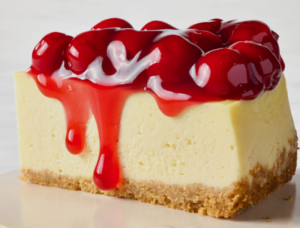
Cheesecake is a popular dessert known for its creamy texture, rich flavor, and versatile topping options. For home bakers who want a convenient way to prepare this classic dessert, cheesecake mix can simplify the process while still producing a satisfying result. Depending on the type, a mix may contain ingredients designed to create a baked or no-bake cheesecake with minimal preparation. It can be especially useful for beginners, busy families, or anyone who wants consistent results without measuring numerous ingredients from scratch. Understanding how cheesecake mixes work, how to prepare them correctly, and how to customize the final dessert can help you create a cheesecake that looks attractive and tastes homemade.
What Is Cheesecake Mix?
Cheesecake mix is a prepared combination of dry or partially prepared ingredients used to simplify cheesecake preparation. Depending on the product or recipe, it may contain powdered dairy ingredients, sugar, stabilizers, flavorings, or other components needed to create the cheesecake filling.
Some mixes require cream cheese, milk, butter, eggs, or other ingredients to complete the preparation. Others are designed as convenient no-bake solutions that only require a few additional ingredients. Reading the preparation instructions carefully is important because different mixes can have very different requirements.
Why Use a Cheesecake Mix?
One of the biggest advantages of using a prepared mix is convenience. Traditional cheesecake recipes can require several ingredients and precise measurements. A mix can reduce the number of steps and make the preparation process easier to manage.
Mixes can also provide more consistent results. This can be helpful for beginners who are still learning how ingredients affect cheesecake texture. Instead of measuring every dry ingredient individually, the prepared mixture provides a controlled starting point.
Choosing the Right Mix
Different cheesecake mixes are designed for different preparation methods. Some are intended for baked cheesecakes, while others are specifically formulated for no-bake desserts. There are also variations with different flavors, textures, and sweetness levels.
Before buying a mix, consider the type of cheesecake you want to make. If you prefer a firm, traditional cheesecake, a baked option may be appropriate. If you want something quick and easy, a no-bake mix can be more convenient.
Checking the ingredient list is also useful if you have dietary preferences or restrictions.
Preparing the Cheesecake Filling
The filling is the most important part of a cheesecake, so following the preparation instructions carefully can make a significant difference. Cream cheese should generally be softened when the recipe calls for it. Cold cream cheese can be difficult to blend smoothly and may leave small lumps in the filling.
When adding liquid ingredients, introduce them gradually if the instructions allow. Mixing too quickly or adding too much liquid can affect the consistency. The finished filling should usually be smooth and evenly combined.
Getting the Right Texture
Cheesecake texture depends on the balance of ingredients and the preparation method. A baked cheesecake should generally have a creamy interior that becomes firmer as it cools. A no-bake cheesecake typically relies on chilling and setting ingredients to develop its structure.
Overmixing can sometimes introduce excess air into a cheesecake filling, particularly when preparing a baked version. This can contribute to cracks or an uneven surface. Mix until the ingredients are properly incorporated rather than continuing unnecessarily.
Choosing a Cheesecake Crust
A good crust provides contrast to the creamy filling. Graham crackers are one of the most common choices, but cookies such as chocolate sandwich cookies, digestive biscuits, shortbread cookies, or vanilla wafers can also be used.
The crust usually combines crushed cookies or crackers with melted butter. Press the mixture firmly into the bottom of the pan so that it holds together when the cheesecake is sliced. However, avoid pressing it so aggressively that the crust becomes unusually dense.
Baked Cheesecake Preparation
If the mix is intended for a baked cheesecake, oven temperature and baking time are important. Cheesecake generally benefits from controlled, even heat rather than excessive temperatures.
A water bath can sometimes help maintain a moist environment and reduce sudden temperature changes. After baking, the cheesecake should cool gradually before being refrigerated. Sudden temperature changes can contribute to cracks or changes in texture.
The center may still have a slight wobble when a baked cheesecake is finished. It typically becomes firmer as it cools.
No-Bake Cheesecake Preparation
No-bake cheesecake is often one of the easiest options for beginners. Instead of relying on an oven to set the filling, the dessert is refrigerated until it reaches the desired consistency.
The crust is usually prepared first and chilled. The filling is then mixed according to the recipe and spread evenly over the crust. Adequate refrigeration time is essential because cutting the cheesecake too soon can result in a soft or unstable filling.
Adding Flavor Variations
A basic cheesecake can be transformed into many different desserts. Vanilla, lemon, chocolate, strawberry, caramel, coffee, and peanut butter are popular flavor combinations.
Fresh fruit can add brightness, while chocolate or caramel can create a richer dessert. Citrus zest can provide a fresh aroma without adding excessive liquid to the filling. Spices such as cinnamon can also complement certain crusts and toppings.
When customizing a prepared mix, add extra ingredients gradually so they do not significantly change the intended texture.
Topping Ideas
Toppings are an easy way to personalize cheesecake. Fresh strawberries, blueberries, raspberries, peaches, or cherries can create a colorful finish. Fruit sauces and compotes can also add moisture and acidity.
Chocolate shavings, whipped cream, caramel sauce, crushed cookies, and chopped nuts are other popular choices. For a more balanced dessert, pair rich toppings with something slightly tart, such as berries or lemon sauce.
Refrigerating and Setting
Proper chilling is essential for cheesecake, especially for no-bake varieties. Refrigeration allows the filling to firm up and makes slicing easier.
Keep the cheesecake covered while it chills to protect it from absorbing odors from other foods. If possible, prepare it several hours before serving so it has enough time to set completely.
For clean slices, use a sharp knife and wipe the blade between cuts. A slightly warmed knife can also make slicing easier.
Common Mistakes to Avoid
One common mistake is failing to soften cream cheese before mixing. This can create lumps that are difficult to remove. Another is adding too much liquid when customizing the filling.
Not allowing enough chilling time is another frequent problem. Even if the surface appears firm, the center may still be soft. Cutting the cheesecake too early can cause the slices to lose their shape.
For baked cheesecake, excessive mixing and sudden temperature changes can also affect the finished appearance.
Key Points to Remember
A cheesecake mix is designed to make preparation more convenient, but the final quality still depends on proper technique. Follow the instructions carefully, use ingredients at the recommended temperature, and avoid unnecessary changes to the ingredient ratios.
Choose a crust that complements the filling, and give the cheesecake enough time to cool or chill before serving. Simple toppings such as fresh fruit, chocolate, caramel, or whipped cream can transform an ordinary cheesecake into a personalized dessert.
Tips for Making Cheesecake
Bring refrigerated ingredients to the recommended temperature before mixing. Use a suitable pan and press the crust evenly across the bottom. Mix the filling until smooth but avoid unnecessary overmixing.
For baked cheesecake, allow the dessert to cool gradually before refrigeration. For no-bake cheesecake, provide enough chilling time for the filling to become firm. Add toppings shortly before serving when they contain moisture that could soften the surface.
If you want to experiment with flavors, change one element at a time. This makes it easier to understand how each addition affects the final dessert.
Final Thoughts
Using cheesecake mix can make the preparation of a creamy, flavorful dessert much more approachable, particularly when you want to save time or simplify the recipe. With the right crust, careful mixing, adequate chilling or baking, and thoughtful toppings, a prepared mix can become the foundation for many different cheesecake styles. Whether you prefer classic vanilla, fresh fruit, rich chocolate, or a creative combination, small adjustments can help you create a dessert that suits your taste while keeping the preparation straightforward.
Frequently Asked Questions
1. What ingredients are usually needed with cheesecake mix?
Depending on the type of mix, you may need cream cheese, milk, butter, eggs, or other ingredients. Always check the specific preparation instructions because requirements vary.
2. Can cheesecake mix be used for a no-bake cheesecake?
Yes. Some mixes are specifically designed for no-bake cheesecakes. These generally set through refrigeration rather than oven baking.
3. How long should cheesecake chill before serving?
The required time depends on the recipe and type of cheesecake. No-bake versions often need several hours of refrigeration, while baked cheesecakes should cool and then chill thoroughly before slicing.
4. Can I add fruit to cheesecake mix?
Yes. Fresh fruit, fruit sauces, and purees can be used, although ingredients containing significant moisture should be added carefully so they do not negatively affect the filling’s consistency.
5. How do I get clean cheesecake slices?
Chill the cheesecake thoroughly and use a sharp knife. Wiping the knife clean between cuts and slightly warming the blade can help produce smoother slices.