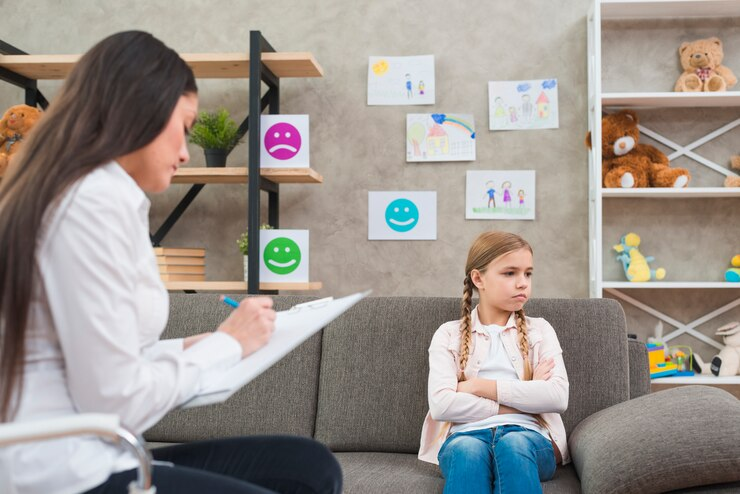
Children’s anxiety is becoming a significant concern for many families. It affects how they behave, think, and interact with others. Left unaddressed, it can impact their development and quality of life. Therapy, however, offers a path forward. It helps anxious children develop positive behaviors, manage their emotions, and thrive in various environments.
Understanding Anxiety in Children
Anxiety in children can manifest in various ways. It may look like excessive worrying, fear of the unknown, or physical symptoms like stomachaches. Children with anxiety may have difficulty in social settings, school, or even at home. They often struggle with expressing their feelings and may act out in ways that are hard for parents to understand. This is where children’s anxiety counselling plays a vital role. Therapy helps children understand and manage their fears, offering them a safe space to express themselves.
The Role of Children’s Anxiety Counselling
Children’s anxiety counselling provides essential support for young minds dealing with overwhelming emotions. Counselling typically involves a therapist who works closely with the child to identify triggers, understand thought patterns, and develop coping strategies. This therapeutic relationship is built on trust and patience, allowing the child to feel comfortable discussing their worries. The children’s anxiety counselling therapist uses various techniques to help the child process their feelings, offering both immediate relief and long-term solutions.
Applied Behavior Analysis Therapy and Anxiety
Applied Behavior Analysis (ABA) therapy is a powerful tool when it comes to managing anxiety in children. ABA focuses on understanding how certain behaviors are influenced by the environment and how they can be changed through positive reinforcement. In children with anxiety, Applied Behavior Analysis Therapy can help break down overwhelming situations into manageable steps. It teaches children how to respond positively to stressors rather than resorting to anxious behaviors. This approach not only reduces anxiety but also strengthens coping skills and builds confidence.
How ABA Therapy Shapes Positive Behaviors
Through ABA therapy, anxious children can learn to identify their triggers and gradually face them in controlled, supportive environments. For instance, a child who experiences social anxiety may first practice greeting others with the therapist, moving to larger social scenarios over time. This gradual exposure helps the child feel more at ease in social settings. By reinforcing small successes, ABA therapy encourages children to step out of their comfort zones. This progressive approach helps them build resilience and the ability to manage their anxiety in real-life situations.
The Benefits of Early Intervention
The earlier children receive therapy for anxiety, the better the outcomes. Therapy can prevent anxiety from worsening or becoming more ingrained in a child’s behavior. Early intervention through children’s anxiety counselling ensures that children develop the skills they need to cope with anxiety in a healthy, productive way. It also helps parents understand how to support their children through challenging times, creating a more harmonious family environment.
Building a Supportive Environment for Growth
Therapy doesn’t just focus on the child; it also involves educating parents, teachers, and caregivers. Creating a supportive environment is crucial for a child’s success in managing anxiety. Parents are taught techniques to reinforce positive behaviors at home. Teachers learn how to recognize signs of anxiety in the classroom and provide accommodations.
Therapy offers children the tools they need to manage anxiety in healthy ways. Whether through children’s anxiety counselling or Applied Behavior Analysis therapy, therapy helps anxious children develop essential life skills. It helps them break free from the cycle of fear, encouraging positive behaviors that lead to a more confident, well-adjusted child.