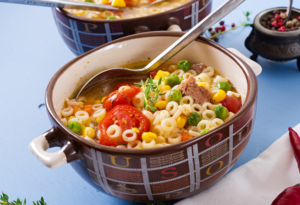
Slow cooking is one of the easiest ways to prepare satisfying meals with minimal hands-on effort. For people following a gluten-free lifestyle, a slow cooker can make it easier to prepare soups, stews, meats, vegetables, casseroles, and other comforting dishes at home. Crock pot gluten free recipes can be especially useful for busy families because ingredients can often be prepared in advance and allowed to cook slowly throughout the day. However, making a recipe gluten-free involves more than simply avoiding bread or pasta. Ingredients such as broths, sauces, seasoning blends, canned foods, and prepared condiments can sometimes contain gluten or have cross-contact concerns. By choosing suitable ingredients and checking labels carefully, home cooks can create flavorful slow cooker meals that fit a gluten-free eating pattern.
What Makes a Crock Pot Recipe Gluten Free
A gluten-free slow cooker recipe avoids ingredients containing wheat, barley, rye, and ingredients derived from them. Naturally gluten-free foods include many fresh meats, poultry, fish, vegetables, fruits, beans, rice, potatoes, corn, and some dairy products.
The challenge comes from processed ingredients. Soy sauce, gravy mixes, seasoning packets, condensed soups, bouillons, and certain prepared sauces may contain gluten.
For someone with celiac disease or significant gluten sensitivity, preventing cross-contact is also important. Cooking a gluten-free meal in a shared environment requires clean utensils, cookware, cutting boards, and preparation surfaces.
Reading labels is therefore an essential part of preparing safe gluten-free meals.
Benefits of Using a Crock Pot
A slow cooker can simplify meal preparation because most recipes require only a few preparation steps before cooking begins.
Ingredients can often be placed into the cooker in the morning, allowing the meal to cook while you work, study, or complete other activities.
Slow cooking can also help develop flavor. Tougher cuts of meat can become tender over several hours, while vegetables and herbs can combine with broth and seasonings to create rich flavors.
Another advantage is batch cooking. A large slow cooker meal can provide leftovers for lunch or dinner the following day, making meal planning easier.
Gluten Free Chicken Crock Pot Recipes
Chicken is one of the most versatile ingredients for slow cooker meals.
A simple chicken dinner can combine boneless chicken, potatoes, carrots, onions, garlic, gluten-free broth, herbs, salt, and pepper. The ingredients can cook together until the chicken is tender and the vegetables are fully cooked.
Another option is slow cooker shredded chicken. Chicken breasts or thighs can be cooked with gluten-free seasonings and a small amount of broth before being shredded. The finished chicken can be used in tacos, rice bowls, salads, or gluten-free wraps.
For a creamy chicken dish, cooks can use gluten-free cream-based ingredients or make a homemade sauce rather than relying on conventional condensed soup.
Slow Cooker Beef Recipes
Beef works particularly well in slow cooking because longer cooking times can make certain cuts tender.
A classic beef stew can include beef chunks, carrots, potatoes, onions, celery, garlic, gluten-free beef broth, herbs, and seasonings.
For thicker gravy, traditional wheat flour can be replaced with a gluten-free thickener such as cornstarch or another suitable alternative.
Slow cooker shredded beef can also be used for tacos, rice bowls, sandwiches made with gluten-free bread, or vegetable-based meals.
The key is to check every packaged seasoning, broth, sauce, and condiment used in the recipe.
Gluten Free Slow Cooker Soups
Soup is one of the easiest categories of gluten-free slow cooker meals.
Chicken vegetable soup can combine chicken, carrots, celery, onion, potatoes, herbs, and gluten-free broth.
Bean soup can use beans, tomatoes, vegetables, herbs, and spices for a filling plant-based option.
A potato soup can be prepared with potatoes, onion, garlic, broth, and dairy or dairy-free ingredients depending on dietary preferences.
When preparing soup, broth deserves particular attention because some commercial broths and bouillon products may contain gluten-containing ingredients.
Slow Cooker Chili
Chili is naturally adaptable and can easily be made gluten-free.
A basic chili can include ground beef or turkey, kidney beans, black beans, tomatoes, onions, peppers, garlic, and chili spices.
For a vegetarian version, additional beans, lentils, mushrooms, or vegetables can replace meat.
Toppings can include shredded cheese, avocado, sour cream, green onions, or fresh cilantro.
However, packaged chili seasoning should be checked carefully. Using individual spices can provide greater control over ingredients.
Gluten Free Crock Pot Pork Recipes
Pork can be used in a variety of slow cooker meals.
Pulled pork is a popular option because slow cooking can make the meat tender enough to shred easily.
A gluten-free pulled pork recipe can use pork shoulder, gluten-free barbecue sauce, onion, garlic, and appropriate seasonings.
The finished meat can be served with coleslaw, roasted vegetables, potatoes, or gluten-free rolls.
Another option is slow cooker pork with apples and vegetables, creating a meal that combines savory and slightly sweet flavors.
As with other recipes, sauces should be checked for gluten-containing ingredients.
Vegetarian Gluten Free Slow Cooker Meals
Slow cookers are not limited to meat-based meals.
Vegetarian recipes can include beans, lentils, chickpeas, potatoes, sweet potatoes, tomatoes, corn, carrots, mushrooms, peppers, and other vegetables.
A lentil vegetable stew can combine lentils with tomatoes, carrots, celery, onions, garlic, broth, and herbs.
A bean and sweet potato chili can provide protein, carbohydrates, fiber, and vegetables in one meal.
Vegetarian slow cooker meals can also be useful for people who want to reduce their meat consumption while maintaining filling meals.
Gluten Free Slow Cooker Breakfast Ideas
A slow cooker can also be useful for breakfast.
Gluten-free oatmeal can be prepared with certified gluten-free oats, milk or a dairy-free alternative, cinnamon, fruit, and other toppings.
Overnight-style oatmeal can be prepared in advance and portioned for several mornings.
Another option is a slow cooker breakfast casserole made with eggs, vegetables, cheese, and gluten-free ingredients.
When using oats for someone with celiac disease, choosing oats specifically labeled gluten-free may be important because regular oats can be exposed to gluten during processing.
Gluten Free Crock Pot Desserts
Slow cookers can even be used for desserts.
Apple-based desserts can combine sliced apples, cinnamon, gluten-free oats, and a suitable sweetener.
Chocolate desserts can be made with gluten-free chocolate products, cocoa powder, and other appropriate ingredients.
A slow cooker fruit dessert can also provide a simple way to use seasonal fruit.
When making desserts, check chocolate chips, flavorings, baking mixes, and other packaged ingredients for gluten-related labeling.
Using Gluten Free Thickeners
Many traditional slow cooker recipes use wheat flour to thicken sauces and gravies.
Fortunately, several gluten-free alternatives can be used.
Cornstarch is commonly used to thicken sauces. It is generally mixed with a small amount of cold liquid before being added to a hot dish to reduce the risk of lumps.
Arrowroot powder can also be used in some recipes.
Potato starch is another option.
The appropriate thickener depends on the recipe, cooking temperature, and desired texture.
Choosing Gluten Free Broth and Stock
Broth is a common ingredient in slow cooker meals, but not every broth is automatically gluten-free.
Before using packaged broth or stock, check the ingredient list and gluten-free labeling when appropriate.
Homemade stock can provide greater control over ingredients.
Broth can be used in soups, stews, rice dishes, chicken recipes, and vegetable-based meals.
Because it is used in many slow cooker recipes, selecting an appropriate broth can make meal preparation easier.
Avoiding Cross Contact
Cross contact occurs when gluten-free food comes into contact with gluten-containing food or surfaces.
For people with celiac disease, preventing cross contact can be particularly important.
Use clean utensils and cookware. Avoid using a cutting board that has been used for wheat-based foods without proper cleaning.
Shared serving spoons can also create problems when placed into both gluten-containing and gluten-free dishes.
Check labels on spice mixes, sauces, broths, condiments, and prepared ingredients.
Careful kitchen organization can make gluten-free cooking safer and more consistent.
Tips for Better Crock Pot Meals
Do not overfill the slow cooker because ingredients need enough space for proper cooking.
Cut vegetables into reasonably consistent sizes so they cook more evenly.
Place ingredients according to the recipe’s instructions. Some recipes benefit from placing meat at the bottom and vegetables around it.
Avoid repeatedly removing the lid because heat escapes and cooking time can increase.
Use the cooking time specified by the recipe and confirm that meat reaches a safe internal temperature.
If a sauce needs thickening, add the thickener according to the recipe rather than simply adding flour.
Taste and adjust seasonings toward the end when appropriate.
Meal Prep With Gluten Free Slow Cooker Recipes
Slow cooker meals can be particularly helpful for weekly meal preparation.
A large batch of chicken, beef, chili, soup, or stew can be divided into individual containers.
Allow cooked food to cool appropriately before refrigeration, and store leftovers safely.
Meals can often be used in different ways throughout the week. Shredded chicken can become tacos one day and a salad topping the next.
Similarly, slow cooker beef can be served with vegetables, rice, or gluten-free tortillas.
Planning several meals around one batch of protein can reduce cooking time and food waste.
Common Mistakes to Avoid
One of the biggest mistakes is assuming that every naturally gluten-free ingredient is safe after processing.
For example, a naturally gluten-free soup can become unsuitable when conventional broth or seasoning is added.
Another mistake is using regular soy sauce without checking whether it contains wheat. Gluten-free alternatives are available for recipes requiring soy sauce.
Using ordinary flour to thicken a sauce can also introduce gluten.
Cross contact through shared utensils and preparation surfaces is another issue.
Finally, cooks should avoid relying only on a recipe title. Every ingredient needs to be considered separately.
Key Points to Remember
Gluten-free slow cooker meals can include meat, poultry, fish, vegetables, beans, rice, potatoes, and many other naturally gluten-free foods.
Processed ingredients require careful label checking.
Broths, sauces, seasoning mixes, and condensed soups may contain gluten.
Gluten-free alternatives can replace traditional flour-based thickeners.
Chicken, beef, pork, chili, soups, stews, and vegetarian meals all work well in slow cookers.
Certified gluten-free oats can be useful when preparing slow cooker oatmeal for people who need to avoid gluten.
Cross contact should be considered when cooking for someone with celiac disease.
Slow cooker meals are convenient for batch cooking and meal preparation.
Tips for Making Gluten Free Crock Pot Recipes
Check every packaged ingredient before adding it to the slow cooker.
Choose gluten-free broth, sauces, seasonings, and condiments when needed.
Use cornstarch, arrowroot, or another appropriate gluten-free thickener instead of wheat flour.
Keep gluten-containing and gluten-free preparation tools separate when necessary.
Avoid unnecessary lid opening during cooking.
Use a food thermometer to verify that meat has reached a safe internal temperature.
Prepare large batches and portion leftovers for convenient meals.
Experiment with herbs, spices, vegetables, and gluten-free sauces to keep meals interesting.
Choose recipes that match your dietary requirements rather than assuming every slow cooker recipe is gluten-free.
Final Thoughts
Crock pot gluten free recipes make it possible to enjoy convenient, flavorful meals while avoiding gluten-containing ingredients. From chicken and beef dishes to chili, soups, vegetarian stews, breakfast oatmeal, and desserts, a slow cooker can support a wide range of meal options. The most important part of gluten-free cooking is paying attention to ingredients that may not appear obviously gluten-containing, particularly broth, sauces, seasoning blends, and prepared foods. For people with celiac disease or significant gluten sensitivity, preventing cross contact is also essential. With careful ingredient selection, proper food handling, and a little meal planning, slow cooker cooking can become a simple and practical part of a gluten-free lifestyle.
Frequently Asked Questions
1. What are some easy gluten-free crock pot meals?
Chicken soup, beef stew, chili, pulled pork, vegetable stew, shredded chicken, and bean-based meals are all relatively simple options for a gluten-free slow cooker.
2. Is everything cooked in a crock pot automatically gluten-free?
No. A slow cooker is simply the cooking method. Ingredients such as broth, sauces, seasoning mixes, gravy products, and condensed soups can contain gluten.
3. Can I use flour in a gluten-free crock pot recipe?
Regular wheat flour should not be used when preparing a gluten-free meal. Gluten-free alternatives such as cornstarch or arrowroot can be used when appropriate.
4. Are slow cooker soups easy to make gluten-free?
Yes. Many soups can be made gluten-free by using naturally gluten-free ingredients and checking packaged broth, stock, seasonings, and other processed ingredients.
5. How can I prevent gluten cross contact in a slow cooker?
Use clean cookware, utensils, cutting boards, and preparation surfaces. Check all packaged ingredients and avoid sharing serving utensils with gluten-containing foods when preparing meals for someone who needs strict gluten avoidance.