
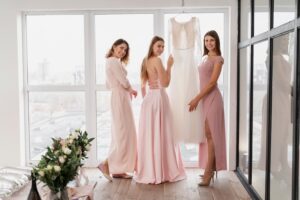
Fashion trends change constantly, but some styles remain popular because they combine elegance, versatility, and comfort. A blush midi dress is one such wardrobe choice, offering a soft and sophisticated appearance that can work for casual outings, celebrations, dinners, weddings, and professional occasions. Its delicate color and medium-length silhouette make it easy to style throughout different seasons while allowing accessories and footwear to create completely different looks.
What Makes This Style So Versatile?
A midi dress generally falls somewhere between the knee and ankle, although the exact length can vary depending on the design and the wearer’s height. This length provides more coverage than a short dress while remaining lighter and less formal than many full-length gowns.
The soft blush shade adds another layer of versatility. It can appear romantic, refined, minimal, or modern depending on the fabric, cut, and accessories.
This combination works well because the color is subtle enough for daytime wear but can also look elegant in evening settings.
Choosing the Right Silhouette
The shape of a dress can significantly influence how it looks and feels. Different silhouettes suit different preferences and occasions.
A-Line Designs
An A-line shape gradually widens from the waist toward the hem. It creates a classic appearance and allows comfortable movement.
This design can work particularly well for daytime events, garden parties, casual celebrations, and semi-formal occasions.
Wrap Styles
Wrap dresses feature a front closure that creates a flattering waist definition. They can provide an adjustable fit and work well for both casual and dressier settings.
Bodycon Styles
A fitted silhouette creates a more contemporary appearance. These designs are often suitable for evening occasions, date nights, parties, and stylish social events.
Pleated Designs
Pleats add movement and texture. A softly pleated skirt can make a simple color feel more distinctive without requiring heavy embellishment.
Selecting the Best Fabric
Fabric affects comfort, appearance, movement, and the overall formality of a dress.
| Fabric | Appearance | Best For |
|---|---|---|
| Chiffon | Lightweight and flowing | Parties and formal events |
| Satin | Smooth and slightly glossy | Evening occasions |
| Cotton | Comfortable and breathable | Casual wear |
| Linen | Relaxed and airy | Warm-weather outfits |
| Velvet | Rich and textured | Cooler-weather events |
| Jersey | Stretchy and comfortable | Everyday and casual styling |
The right fabric depends on the season and occasion. Lightweight materials are generally comfortable in warm weather, while heavier fabrics can create a more suitable look for cooler temperatures.
How to Choose the Right Shade
Blush is a broad color category that can range from very pale pink to warmer dusty-rose tones. The exact shade can affect the overall impression of an outfit.
Cooler blush tones may pair naturally with silver, white, gray, or soft blue accessories. Warmer versions can work well with gold, beige, tan, brown, or champagne tones.
Rather than focusing only on the color name, consider how the actual shade looks under natural and indoor lighting.
Styling for Casual Occasions
A midi-length dress does not have to look overly formal. The right accessories can create a relaxed outfit suitable for everyday activities.
For a casual look, consider pairing it with:
- White sneakers
- Flat sandals
- A denim jacket
- A simple crossbody bag
- Minimal jewelry
- A lightweight cardigan
These additions make the outfit feel effortless while maintaining a polished appearance.
For cooler weather, a neutral cardigan or cropped jacket can add warmth without overwhelming the soft color of the dress.
Styling for Weddings and Special Events
Soft pink shades are naturally associated with romantic and celebratory occasions. However, the styling should depend on the event’s dress code.
For a formal celebration, consider elegant heels, delicate jewelry, and a structured clutch. Satin or chiffon can provide a more sophisticated appearance.
For a daytime wedding, lighter accessories and comfortable shoes may be more appropriate.
Guests should also consider the event’s color expectations and avoid shades that could be inappropriate for the specific celebration.
Evening Styling Ideas
The same dress can transition into an evening outfit with a few changes.
Swap casual footwear for heels or refined flats. Add statement earrings, a structured handbag, and a tailored jacket or wrap.
Metallic accessories can provide additional visual interest. Gold tends to complement warmer blush shades, while silver can create a cooler and more contemporary combination.
The goal is to add contrast without taking attention away from the dress itself.
Choosing Shoes
Footwear can completely change the personality of the outfit.
Heels
Heels can create a more formal appearance and visually lengthen the silhouette. Nude, beige, metallic, and soft pink shades can create a coordinated look.
Sneakers
Sneakers provide a modern, casual contrast. White or neutral sneakers work especially well for daytime outfits.
Sandals
Flat or low-heeled sandals are ideal for warm weather and relaxed occasions.
Ankle Boots
Ankle boots can make the outfit more suitable for autumn or winter. Neutral boots can create an understated appearance, while darker shades provide stronger contrast.
Accessory Combinations
Accessories should complement the color and silhouette instead of competing with them.
A simple outfit may only require a delicate necklace, small earrings, and a compact handbag. For evening events, statement earrings or a metallic clutch can create a more noticeable finish.
| Occasion | Footwear | Accessories | Outer Layer |
|---|---|---|---|
| Casual day | Sneakers | Small bag, simple jewelry | Denim jacket |
| Office event | Low heels | Structured handbag | Tailored blazer |
| Wedding | Heels | Elegant jewelry | Light wrap |
| Dinner | Heels or flats | Statement earrings | Cropped jacket |
| Weekend outing | Sandals | Crossbody bag | Lightweight cardigan |
Dressing for Different Seasons
One advantage of a midi silhouette is its adaptability throughout the year.
Spring
Spring is a natural setting for soft colors. Pair the dress with lightweight sandals, ballet flats, or a short cardigan.
Summer
Choose breathable fabrics and minimal layers. Sandals and a lightweight handbag can create an easy warm-weather look.
Autumn
Add ankle boots, a structured jacket, or a knit cardigan. Deeper accessories such as brown or burgundy can create seasonal contrast.
Winter
For colder conditions, layering becomes essential. Tights, boots, a long coat, and a warm scarf can make the outfit more practical.
Styling for the Workplace
Not every midi dress is appropriate for an office, but a modest silhouette in a refined fabric can work well in many professional settings.
Choose a design with suitable coverage and avoid overly revealing cuts if the workplace has a conservative dress code.
A blazer and closed-toe shoes can make the outfit look more professional. Keep accessories relatively simple and select a structured handbag.
The key is to balance femininity with polished professional styling.
Finding the Right Fit
Fit is often more important than the color or fabric. A well-fitting dress should allow comfortable movement without pulling, bunching, or creating unnecessary gaps.
Consider the following areas:
- Shoulder fit
- Bust area
- Waist placement
- Hip comfort
- Hemline
- Sleeve length
- Overall movement
If the dress is between sizes, check the fabric composition and garment measurements before deciding.
Stretch fabrics can offer more flexibility, while structured materials may require more precise sizing.
Petite and Tall Styling Tips
People of different heights can style midi dresses successfully by paying attention to proportions.
Petite Styling
A higher waistline can visually lengthen the legs. Shoes with a lower vamp or a small heel can also create a longer visual line.
Avoid excessive layering if you want a cleaner silhouette.
Tall Styling
Longer midi lengths can work particularly well on taller figures. Flat sandals, boots, and statement footwear can all complement the proportions.
The most important factor is finding a hemline that feels comfortable and intentional.
Common Styling Mistakes to Avoid
Even a versatile dress can lose its impact if too many competing elements are added.
Avoid combining numerous bold accessories, highly contrasting shoes, and a busy outer layer at the same time.
Another common mistake is ignoring the occasion. A casual cotton design may not be appropriate for a formal evening event, while an embellished satin version may feel excessive for a casual daytime activity.
Balance is usually the easiest approach.
How to Build a Complete Outfit
Start with the dress as the foundation and then add one element at a time.
First, choose shoes based on the occasion. Next, select a handbag that works with the footwear or provides intentional contrast. Add jewelry according to the neckline and overall formality.
Finally, consider an outer layer if necessary.
This approach prevents accessories from overwhelming the outfit and makes it easier to create a cohesive appearance.
Key Points to Remember
- Choose the silhouette according to your comfort and preferred fit.
- Consider fabric carefully because it affects formality and seasonal comfort.
- Match accessories to the exact shade rather than relying only on the color name.
- Use sneakers and sandals for relaxed styling.
- Choose heels and refined accessories for formal occasions.
- Add layers to make the outfit suitable for cooler weather.
- Check the event dress code before selecting accessories.
- Pay attention to hemline and proportions.
- Avoid excessive accessories that compete with the dress.
- Prioritize comfort and fit alongside appearance.
Final Thoughts
A midi-length dress in a soft blush shade can become one of the most adaptable pieces in a woman’s wardrobe. Its elegant color works with both understated and sophisticated accessories, while the medium-length silhouette makes it suitable for a wide range of occasions.
The secret to styling it successfully is choosing the right combination of fit, fabric, footwear, accessories, and layers. A casual daytime outfit may require nothing more than sneakers and a crossbody bag, while a wedding or evening event can call for heels, jewelry, and a refined clutch.
With thoughtful styling, the same dress can move easily between seasons and occasions, making it a practical and fashionable wardrobe investment.
Frequently Asked Questions
1. What shoes work best with a midi dress?
The best shoes depend on the occasion. Sneakers and sandals work well for casual outfits, while heels, elegant flats, and ankle boots can create more polished looks.
2. Can a midi dress be worn to a wedding?
Yes, provided the design and styling match the wedding’s dress code. A refined fabric with elegant accessories can work particularly well for many wedding celebrations.
3. How can I style a midi dress for winter?
Add tights, ankle or tall boots, a warm coat, and suitable knitwear. Layering can make the outfit comfortable without sacrificing its overall appearance.
4. What accessories pair well with soft pink clothing?
Gold, silver, beige, champagne, white, and neutral accessories can all work well depending on the exact shade. Choose accessories based on the occasion and overall styling.
5. How should a midi dress fit?
It should feel comfortable around the shoulders, bust, waist, and hips while allowing natural movement. The hemline should also fall at a position that feels flattering and practical for your height.

Leave a Reply