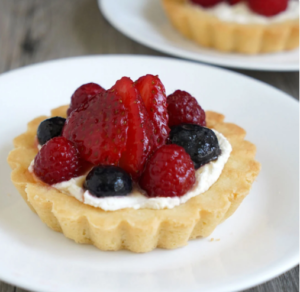
A fruit tart is a beautiful dessert that combines a crisp pastry base with creamy filling and fresh fruit. A takes this classic dessert in a particularly rich direction by using a buttery Shortbread Crust Fruit Tart is tender, lightly crisp, and pleasantly sweet. The contrast between the crumbly crust, smooth filling, and juicy fruit creates a dessert that works well for family gatherings, afternoon tea, celebrations, and special occasions.
The appeal of this tart comes from its balance of textures and flavors. The crust provides a rich buttery foundation, while the filling can add creaminess and mild sweetness. Fresh berries, peaches, kiwi, mango, grapes, citrus, or other seasonal fruits can then add color, acidity, and freshness. With a few basic techniques, this dessert can be prepared at home and adapted to suit different tastes and occasions.
What Is a Shortbread Crust Fruit Tart?
A shortbread crust fruit tart is a baked tart made with a crust inspired by traditional shortbread. The crust generally contains butter, flour, sugar, and sometimes a small amount of salt or flavoring such as vanilla.
Unlike a traditional flaky pie crust, shortbread crust is usually more tender and crumbly. It does not depend on creating layers of cold butter and pastry in the same way as classic pie dough.
Once the crust is baked and cooled, it can be filled with pastry cream, whipped cream, cream cheese filling, mascarpone, lemon curd, or another smooth filling. Fresh fruit is then arranged over the top.
Why Use a Shortbread Crust?
Shortbread provides a rich flavor that pairs naturally with fruit. Its buttery texture creates a sturdy base while remaining tender enough to cut easily with a fork.
The crust is also relatively simple to prepare because it does not require complicated folding or laminating techniques.
Another advantage is versatility. The same basic crust can be paired with different fillings and fruit combinations, allowing the tart to change with the season.
Essential Ingredients
A basic shortbread-style crust usually requires only a few ingredients. Butter provides richness and helps create the characteristic tender texture.
Flour provides structure, while sugar adds sweetness and contributes to browning. A small amount of salt can balance the sweetness and enhance the buttery flavor.
Vanilla extract or another flavoring can be added if desired. Some recipes may also include powdered sugar, egg yolk, cornstarch, or finely ground nuts depending on the desired texture.
The filling and fruit require their own ingredients, but the crust itself can remain relatively simple.
Choosing the Right Butter
Butter is one of the most important ingredients in a shortbread crust because it contributes both flavor and texture.
Unsalted butter is often useful because it allows the amount of salt to be controlled separately. The butter should generally be softened when mixing a traditional shortbread dough, although the exact method depends on the recipe.
Avoid overheating the butter. Melted butter can produce a different texture and may make the dough difficult to handle.
Consistent ingredients and accurate measurements can help produce a crust that holds its shape while remaining tender.
Preparing the Shortbread Dough
The dough should be mixed just enough to combine the ingredients. Overmixing can develop too much gluten and make the finished crust less tender.
Once the dough comes together, it can be pressed into a tart pan or rolled and fitted into the pan, depending on the recipe.
Pressing the dough evenly into the pan is important because thick and thin areas can bake at different rates.
The edges should be formed carefully so that they are neither excessively thin nor too thick.
Chilling the Crust
Chilling the shaped dough can help reduce spreading during baking. This is especially useful when the crust contains a high proportion of butter.
The tart shell can be refrigerated before baking, allowing the butter to firm up.
Chilling can also make the dough easier to manage if it becomes soft while being shaped.
Blind Baking the Tart Shell
Blind baking means baking the crust before adding the filling. This is an important step for many fruit tart recipes because the filling may not require further baking.
The tart shell is usually pierced lightly or weighted during baking to help prevent excessive bubbling or puffing.
Once the crust is fully baked and golden, it should be allowed to cool completely before filling. Adding a moist filling to a hot crust can affect the texture.
Choosing a Filling
The filling can completely change the character of the tart. Pastry cream creates a classic creamy base with a smooth texture.
A cream cheese filling can provide mild tanginess, while mascarpone creates a rich and luxurious texture. Whipped cream can produce a lighter dessert, although it may be less stable over long periods.
Lemon curd works particularly well with sweet fruit because its acidity provides contrast.
The filling should complement rather than overpower the fruit and buttery crust.
Selecting Fresh Fruit
Fresh fruit is one of the most visually appealing parts of a fruit tart. Choose ripe fruit that is firm enough to maintain its shape.
Strawberries, blueberries, raspberries, blackberries, peaches, nectarines, kiwi, mango, grapes, and citrus segments can all work well.
Using a combination of colors can make the tart especially attractive. However, flavor should be considered along with appearance.
Very watery fruit may release liquid into the filling, so it should be dried thoroughly before arranging it on the tart.
Seasonal Fruit Combinations
Seasonal ingredients can help create different versions of the dessert throughout the year.
Summer tarts can feature strawberries, peaches, raspberries, blueberries, and nectarines. Autumn versions can include apples, pears, figs, or grapes.
Citrus fruits can brighten winter desserts, while tropical fruits such as mango and kiwi can provide a fresh combination at any time of year.
There is no need to use many different fruits. Two or three complementary varieties can create a balanced result.
Arranging the Fruit
Fruit arrangement is where the tart can become especially decorative. The fruit can be placed in concentric circles, rows, sections, or a more relaxed pattern.
Strawberries can be sliced and overlapped, while berries can be placed individually or grouped together.
Larger fruit pieces can be balanced with smaller berries to create visual variety.
The arrangement should also consider how the tart will be sliced. Leaving a clean center or creating evenly distributed sections can make serving easier.
Adding a Glaze
A light glaze can give fruit tarts a polished appearance. It can also help protect certain fruits from drying out.
A simple glaze may be made using fruit preserves or another suitable ingredient. It should be applied lightly so that it enhances the fruit without making the tart overly sweet.
The glaze is optional, especially when the fruit is already naturally glossy.
Preventing a Soggy Crust
A crisp crust is one of the defining qualities of a successful fruit tart. Moisture from the filling or fruit can soften the pastry over time.
The crust should be completely cooled before filling. Fruit should also be washed and dried thoroughly.
A thin protective layer, such as melted chocolate or a suitable barrier between the crust and filling, may help in some recipes.
It is also useful to avoid assembling the tart too far in advance if maximum crust crispness is important.
Balancing Sweetness and Acidity
The best fruit tarts usually contain a balance of sweet, buttery, creamy, and acidic flavors.
A very sweet crust can benefit from tart berries or citrus. A rich pastry cream may pair well with fruit that has noticeable acidity.
Taste the fruit before assembling the tart because its natural sweetness can vary considerably.
Small adjustments to the filling can help create a more balanced dessert.
Serving the Tart
Fruit tarts are often best served chilled or slightly cool, depending on the filling.
A sharp knife can help create clean slices. Wiping the blade between cuts can improve presentation when the filling is soft.
The tart can be served on its own or accompanied by lightly sweetened whipped cream, yogurt, or another simple accompaniment.
Because the fruit provides plenty of visual appeal, elaborate garnishes are usually unnecessary.
Storing a Fruit Tart
Storage depends on the filling and fruit used. Tarts containing dairy-based fillings should generally be refrigerated.
The tart is often best enjoyed relatively soon after assembly because the fruit can gradually release moisture into the filling and crust.
If preparing ahead, the crust and filling can sometimes be prepared separately and assembled closer to serving time.
Leftovers should be stored in a covered container or appropriately protected in the refrigerator.
Common Mistakes to Avoid
One common mistake is overworking the shortbread dough. Excessive mixing can make the crust less tender.
Another problem is uneven crust thickness. Thin areas may become too dark while thicker areas remain underbaked.
Adding filling to a warm crust can also cause texture problems. The shell should be cooled before assembly.
Finally, wet fruit can introduce unnecessary moisture. Always drain and dry fruit thoroughly before placing it on the tart.
Key Points to Remember
A shortbread crust provides a buttery, tender, and slightly crisp foundation for a fruit tart.
The crust should be mixed carefully, shaped evenly, chilled when appropriate, and baked until properly set.
The filling can range from pastry cream and cream cheese to mascarpone, whipped cream, or lemon curd.
Fresh fruit should be ripe, flavorful, and thoroughly dried before being arranged over the filling.
For the best texture, avoid assembling the tart too far in advance and protect the crust from excessive moisture.
Tips for Making a Shortbread Fruit Tart
Use good-quality butter because its flavor is prominent in the crust.
Measure ingredients accurately and avoid overmixing the dough.
Chill the shaped crust when necessary to help maintain its structure during baking.
Allow the tart shell to cool completely before adding the filling.
Choose fruit based on both flavor and texture, and dry it thoroughly before arranging it.
Use a light glaze if you want a glossy finish, but avoid adding so much that the tart becomes overly sweet.
For easier preparation, make the crust ahead of time and keep the filling and fruit refrigerated until assembly.
Final Thoughts
A shortbread crust fruit tart brings together the rich flavor of buttery pastry, the smooth texture of a creamy filling, and the bright freshness of seasonal fruit. Its versatility makes it suitable for everything from casual family desserts to elegant celebrations. The key to achieving a successful tart is careful attention to the crust, moisture control, filling consistency, and fruit selection. Once the basic technique is understood, the recipe can be adapted with different fillings, fruits, flavors, and decorative arrangements. With a crisp shell and balanced combination of textures and flavors, this tart can become a reliable and impressive homemade dessert.
Frequently Asked Questions
1. What fruit works best on a shortbread fruit tart?
Strawberries, blueberries, raspberries, blackberries, peaches, nectarines, kiwi, mango, grapes, and citrus can all work well. Choose fruit that is ripe, flavorful, and firm enough to maintain its shape.
2. Does a shortbread tart crust need to be blind baked?
Many shortbread tart crusts are blind baked because the filling is added after the shell has been fully baked and cooled. This helps create a crisp base for creamy fillings and fresh fruit.
3. How do I keep a fruit tart crust from becoming soggy?
Cool the crust completely before adding the filling, dry fresh fruit thoroughly, and avoid assembling the tart too far ahead of serving. A suitable moisture barrier can also help protect the pastry.
4. Can I make the tart crust ahead of time?
Yes. The baked tart shell can often be prepared ahead and stored appropriately until it is ready to be filled. Keeping the filling and fruit separate until closer to serving can help preserve the crust’s texture.
5. Should a fruit tart be refrigerated?
If the tart contains pastry cream, cream cheese, mascarpone, whipped cream, or another perishable filling, it should generally be refrigerated. Follow the storage requirements of the ingredients used in the specific recipe.