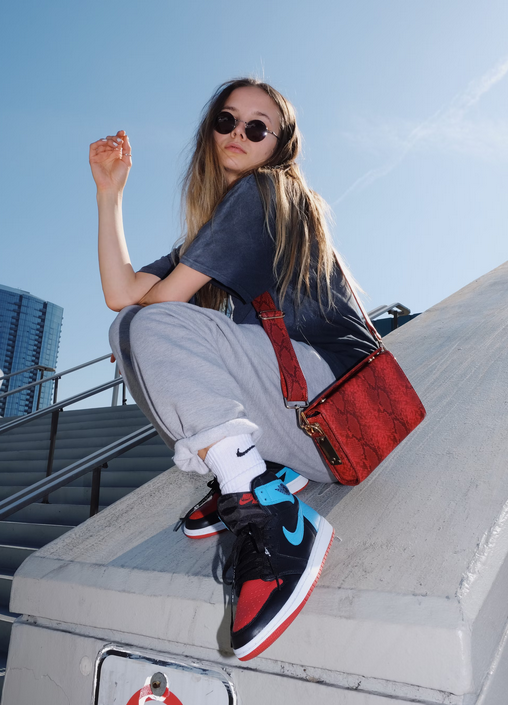
Social media has revolutionized the fashion industry, fundamentally altering how trends emerge, evolve, and influence consumer behavior. This digital age phenomenon has democratized fashion, making it more accessible and interconnected than ever before. Here, we delve into the profound impact of social media on fashion trends, exploring its implications across design, marketing, and consumer engagement.
Social media platforms serve as virtual runways where fashion trends are showcased, critiqued, and adopted in real-time. Unlike traditional fashion cycles dictated by seasonal collections and runway shows, social media allows trends to emerge organically through viral content and influencer endorsements. Designers and brands can now gauge immediate consumer reactions, adapting swiftly to popular demand and cultural shifts. This accelerated feedback loop has shortened the time from concept to consumer, facilitating a more responsive and consumer-centric fashion industry.
Moreover, social media has democratized fashion influence, empowering individuals to become tastemakers in their own right. Influencers, bloggers, and content creators wield significant sway over consumer preferences, often surpassing traditional fashion authorities. Their ability to curate personal style and share it with a global audience has reshaped the definition of fashion expertise and authority. This democratization has diversified fashion representation, promoting inclusivity and challenging traditional beauty standards.
Furthermore, social media serves as a vast marketplace where consumers can discover and purchase fashion directly from influencers and brands. Platforms like Instagram and TikTok integrate shopping features, enabling seamless transactions from inspiration to acquisition. This direct-to-consumer model has disrupted traditional retail channels, empowering brands to cultivate loyal communities and personalize customer interactions. By leveraging targeted ads and algorithm-driven recommendations, social media platforms optimize user experience and drive conversion rates, revolutionizing the retail landscape.
Concurrently, social media has amplified fashion sustainability initiatives and consumer awareness. Increased transparency in supply chains and production processes fosters accountability among brands, prompting ethical consumption practices. Influencers champion sustainable fashion alternatives, advocating for mindful consumption and challenging fast fashion norms. This cultural shift towards sustainability is driven by heightened social media activism and consumer demand for eco-conscious choices, prompting brands to innovate and prioritize ethical practices.
However, the omnipresence of social media in shaping fashion trends is not without its challenges. The pressure to maintain a curated online presence often perpetuates unrealistic beauty standards and consumerism. Social comparison and influencer endorsements can inadvertently promote excessive consumption and materialism, exacerbating environmental concerns and social inequalities. Moreover, the virality of trends on social media contributes to rapid turnover in consumer preferences, fostering a culture of disposability that challenges sustainable fashion initiatives.
In conclusion, social media has profoundly transformed the fashion industry, influencing trends, consumer behavior, and brand dynamics. It has democratized fashion influence, empowering individuals and diversifying representation. Simultaneously, it has redefined marketing strategies, enabling direct engagement with consumers and promoting transparency. Yet, it also poses challenges, such as sustainability concerns and societal pressures. As social media continues to evolve, its impact on fashion trends will undoubtedly shape the industry’s future, driving innovation and redefining cultural norms. Ultimately, navigating these complexities requires a balanced approach that harnesses social media’s potential while addressing its inherent challenges, ensuring a sustainable and inclusive fashion ecosystem for generations to come.