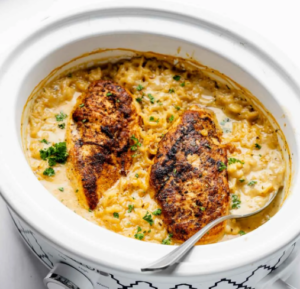
Finding simple meals that fit a gluten free lifestyle can become much easier with slow cooking. Crock pot gluten free recipes offer a convenient way to prepare hearty breakfasts, comforting dinners, soups, stews, side dishes, and even desserts with minimal hands-on effort. A slow cooker allows ingredients to cook gradually, helping meats become tender and vegetables absorb the flavors of herbs, spices, sauces, and broths. However, following a gluten free diet requires more than simply avoiding bread or pasta. Sauces, broths, seasonings, canned ingredients, and prepared condiments can sometimes contain gluten or be subject to cross-contact. Understanding ingredient labels and using naturally gluten free foods can help create safe and satisfying meals.
What Makes a Slow Cooker Recipe Gluten Free?
A gluten free slow cooker recipe avoids ingredients containing wheat, barley, rye, and other sources of gluten. Naturally gluten free ingredients such as meat, poultry, fish, vegetables, fruits, rice, potatoes, beans, and many herbs and spices can form the foundation of a meal.
The challenge often comes from processed ingredients. Bouillon, canned soups, gravy mixes, soy sauce, spice blends, and bottled sauces may contain gluten depending on the product. Reading labels carefully is therefore an important part of gluten free cooking.
Benefits of Gluten Free Slow Cooker Meals
Slow cookers are useful for people who want convenient meals without spending hours in the kitchen. Most recipes require ingredients to be added to the cooking vessel, followed by a long cooking period.
This method is particularly useful for busy households. A meal can often be prepared in the morning and finished around dinner time. Slow cooking can also help tenderize tougher cuts of meat while allowing vegetables and seasonings to develop deeper flavors.
Choosing Gluten Free Ingredients
Start with naturally gluten free ingredients whenever possible. Chicken, beef, pork, vegetables, potatoes, rice, beans, and lentils can all be useful building blocks.
When using packaged ingredients, check the label for gluten-containing ingredients and look for appropriate gluten free labeling when necessary. Condiments deserve particular attention because ingredients such as soy sauce and some prepared sauces may contain wheat.
Using separate utensils and keeping gluten-containing foods away from preparation areas can also help reduce cross-contact.
Gluten Free Chicken Recipes
Chicken works especially well in a slow cooker because it can absorb the flavors of herbs, vegetables, broth, and spices. A simple chicken dinner can include chicken breasts or thighs combined with potatoes, carrots, onions, garlic, and gluten free broth.
Another option is shredded chicken seasoned with herbs and spices. Once cooked, the chicken can be served with rice, roasted vegetables, baked potatoes, or gluten free tortillas.
Chicken soup is another practical choice. Chicken, carrots, celery, onions, herbs, and broth can create a comforting meal that is easy to prepare.
Slow Cooker Beef Meals
Beef is another excellent choice for slow cooking. Tougher cuts such as chuck roast can become tender after several hours of gentle cooking.
A simple beef roast can be prepared with carrots, onions, potatoes, garlic, and gluten free broth. Herbs such as rosemary and thyme can add depth without relying on prepared seasoning mixes.
Beef stew is also easy to adapt. Cubed beef can be combined with potatoes, carrots, onions, and other vegetables for a filling meal. If a thicker broth is desired, use a gluten free thickening ingredient rather than regular wheat flour.
Pork and Slow Cooker Meals
Pork can be used in many different slow cooker preparations. Pulled pork is particularly popular because the meat becomes tender enough to shred easily after cooking.
Season pork with gluten free spices and serve it with potatoes, coleslaw, vegetables, or rice. For a barbecue-style meal, choose a sauce that is clearly suitable for a gluten free diet.
Pork can also be combined with apples, onions, herbs, and naturally sweet ingredients for a meal with a different flavor profile.
Gluten Free Slow Cooker Soups
Soup is one of the easiest categories to adapt for gluten free cooking. Chicken soup, vegetable soup, beef stew, lentil soup, bean soup, and chili can all be prepared in a slow cooker.
Use gluten free broth as the base and add vegetables, protein, beans, or legumes according to the recipe. For creamy soups, avoid assuming that canned cream soups are gluten free. Instead, create a thick base using suitable ingredients such as potatoes, pureed vegetables, cream, or a certified gluten free thickener.
Vegetarian Slow Cooker Options
Slow cookers are not limited to meat-based meals. Beans, lentils, chickpeas, sweet potatoes, tomatoes, mushrooms, and other vegetables can create substantial vegetarian dishes.
Vegetarian chili is a particularly flexible option. Beans, tomatoes, peppers, onions, corn, and spices can be cooked together to produce a hearty meal. Lentil stews can also provide protein and fiber while remaining filling.
Rice, quinoa, and potatoes can be served alongside these meals for additional variety.
Gluten Free Slow Cooker Breakfasts
A slow cooker can also be useful for breakfast. Oatmeal is one option, but people following a gluten free diet should choose oats that are specifically labeled or certified gluten free when needed because regular oats can be subject to cross-contact.
Slow cooker breakfast recipes can include oats, milk or a dairy-free alternative, fruit, cinnamon, nuts, and seeds. Preparing breakfast overnight can make mornings easier, especially for busy families.
Side Dishes in the Slow Cooker
Side dishes can be prepared in a slow cooker as well. Mashed potatoes, seasoned vegetables, beans, rice dishes, and sweet potatoes can complement a main course.
Mashed potatoes can be prepared by slowly cooking peeled potatoes with suitable liquid before mashing them with butter, milk, or another preferred ingredient. Seasonings should be checked carefully if using prepared blends.
Gluten Free Sauces and Seasonings
Sauces can add considerable flavor to slow cooker meals, but they are also one of the areas where hidden gluten may occur. Soy sauce, gravy, marinades, and seasoning packets should be checked carefully.
Gluten free alternatives can often be made from simple ingredients. Garlic, onion, herbs, spices, tomatoes, citrus juice, and suitable broths can provide plenty of flavor without complicated sauces.
Keeping a collection of trusted gluten free seasonings can make meal preparation faster.
Avoiding Cross-Contact
For people who must strictly avoid gluten, preventing cross-contact is important. A slow cooker that has previously been used with gluten-containing foods should be cleaned thoroughly before preparing a gluten free meal.
Utensils, cutting boards, measuring cups, and storage containers should also be kept clean. Shared ingredients such as butter, condiments, or spreads can become sources of cross-contact if utensils have previously touched gluten-containing foods.
When cooking for someone with celiac disease or significant gluten sensitivity, ingredient labels and kitchen practices deserve particular attention.
Meal Preparation and Storage
Slow cooker meals can be convenient for meal preparation because many recipes produce multiple servings. After cooking, divide leftovers into suitable containers and refrigerate them promptly.
Meals can often be reheated for lunches or future dinners, depending on the ingredients. Labeling containers with the preparation date can make it easier to keep track of leftovers.
Some slow cooker meals may also freeze well. Allow them to cool appropriately before freezing and use airtight containers to maintain quality.
Common Mistakes to Avoid
One common mistake is assuming that every ingredient is automatically gluten free simply because the main foods are naturally gluten free. Prepared sauces, broths, seasoning blends, and canned products require careful checking.
Another mistake is adding too much liquid. Slow cookers retain moisture, so many recipes need less liquid than conventional stovetop dishes.
Overfilling the slow cooker can also affect cooking performance. Follow the recommended capacity guidelines and avoid packing ingredients excessively tightly.
Key Points to Remember
Successful gluten free slow cooking begins with careful ingredient selection. Naturally gluten free foods can form the foundation of many meals, but packaged products should always be checked for gluten-containing ingredients and possible cross-contact concerns.
Slow cookers are especially useful for soups, stews, shredded meats, chili, vegetables, and other dishes that benefit from gradual cooking. Planning ingredients ahead of time can make weekday meals significantly easier.
Tips for Making Gluten Free Slow Cooker Meals
Choose naturally gluten free ingredients whenever possible and keep a list of trusted packaged products. Read labels every time because manufacturers can change ingredients and processing practices.
Avoid adding too much liquid unless the recipe specifically requires it. Layer ingredients according to the recipe and avoid opening the lid repeatedly during cooking because this can release heat and extend cooking time.
For meals that contain meat, use a food thermometer when appropriate to confirm that the food reaches a safe internal temperature. Store leftovers promptly and keep your preparation area clean.
Final Thoughts
Crock pot gluten free recipes make it easier to prepare satisfying meals while reducing the amount of hands-on cooking required. From tender chicken and beef dishes to vegetable stews, chili, soups, breakfast oats, and flavorful side dishes, a slow cooker can accommodate a wide variety of gluten free meals. The most important considerations are choosing suitable ingredients, checking packaged foods carefully, preventing cross-contact, and following safe cooking and storage practices. With a little preparation, slow cooking can become a reliable part of a gluten free kitchen and provide convenient meals throughout the week.
Frequently Asked Questions
1. Are slow cooker meals naturally gluten free?
Not always. Many basic ingredients are naturally gluten free, but sauces, broths, seasoning mixes, and other packaged ingredients may contain gluten. Each ingredient should be checked carefully.
2. Can I use regular soy sauce in a gluten free slow cooker recipe?
Regular soy sauce often contains wheat, so it should not automatically be considered gluten free. Choose an appropriate gluten free alternative when required.
3. What meats work best in gluten free slow cooker meals?
Chicken, beef, pork, and many other meats work well. Tougher cuts of beef and pork are particularly suitable because slow cooking can help make them tender.
4. Can I prepare gluten free meals in advance?
Yes. Many slow cooker meals produce multiple servings and can be refrigerated or frozen when stored properly. This makes them useful for meal preparation.
5. How can I prevent gluten cross-contact?
Clean cooking equipment and surfaces thoroughly, use clean utensils and containers, and check shared ingredients such as sauces and condiments. For strict gluten avoidance, use products with appropriate gluten free labeling when necessary.